Introduction
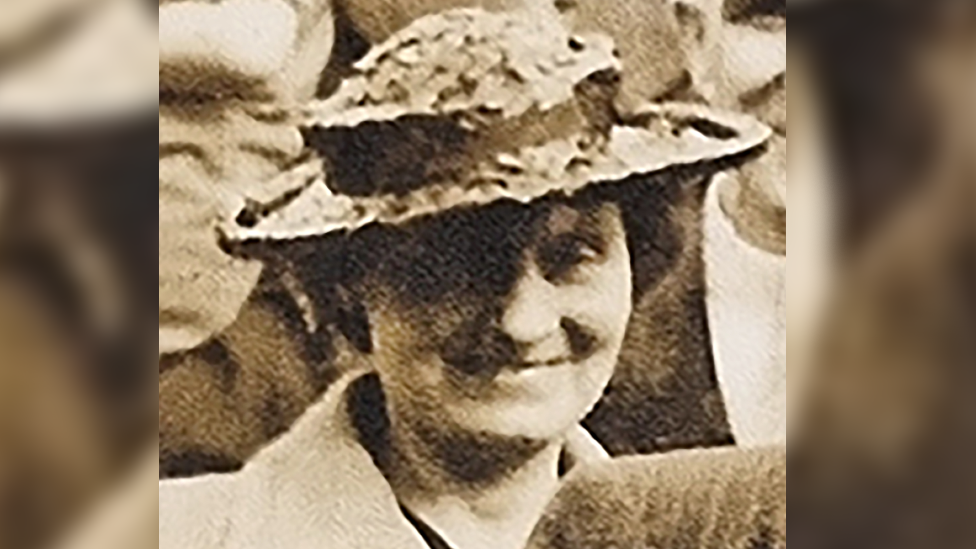
For almost six decades, the name Louisa Dunne was a quiet ghost in Britain’s criminal history a 69-year-old woman found dead in her flat in 1967, her killer never brought to justice.
This year, that silence finally broke.
The Murder
On a cold December night in 1967, police were called to a modest flat in South London, where the body of Louisa Dunne, aged 69, was discovered.
She had been sexually assaulted and murdered, a shocking act of violence in an era when crimes against elderly victims were rare and seldom solved.
Despite the gravity of the case, the investigation soon went cold.
Evidence was limited, witnesses were scarce, and forensic science was still in its infancy.
A Case Buried by Time
Following a cold-case review and fresh DNA work, a 92-year-old man was arrested and charged in November 2024. After a Crown Court trial in Bristol, the jury returned guilty verdicts on 30 June 2025.
Public Reaction
The news reignited national discussion on the importance of cold case reviews and the emotional toll such crimes leave behind.
For Louisa’s surviving relatives some of whom were children when she died the arrest represents long-awaited closure.
Others see it as a sign of what’s possible when modern forensics meet historical persistence.
The Verdict
On 1 July 2025, the judge imposed life imprisonment with a 20-year minimum term, effectively ensuring the offender will die in prison. Authorities called it one of the UK’s oldest cold cases to reach conviction.
Why it Matters
The case underscores how archived evidence + modern DNA profiling can deliver justice decades later and why historic reviews remain vital for victims and families.
After nearly sixty years of silence, the Louisa Dunne case reminds us that history doesn’t always stay buried. Sometimes, it speaks when we least expect it.
Stay curious. Stay creepy.

Leave a Reply